Hello
The Agricultural Methane Gap: Recommendations for the Global Stocktake
This briefing provides an overview of 27 country NDCs and National Energy and Climate Plans (NECPs), along with the EUs NDC, outlining how they address agricultural methane, the largest source of global methane emissions and the least regulated sector.

Materially Neglected: Agricultural Methane and Investor Risk
This report, focuses on accountability, examining whether investors treat agricultural methane as a material climate and financial risk, and whether their strategies reflect this. Drawing on publicly available disclosures, we assessed investor practice across two key areas: integration of methane into investment and risk frameworks, and engagement with high-methane sectors, building on two previous reports on this topic.
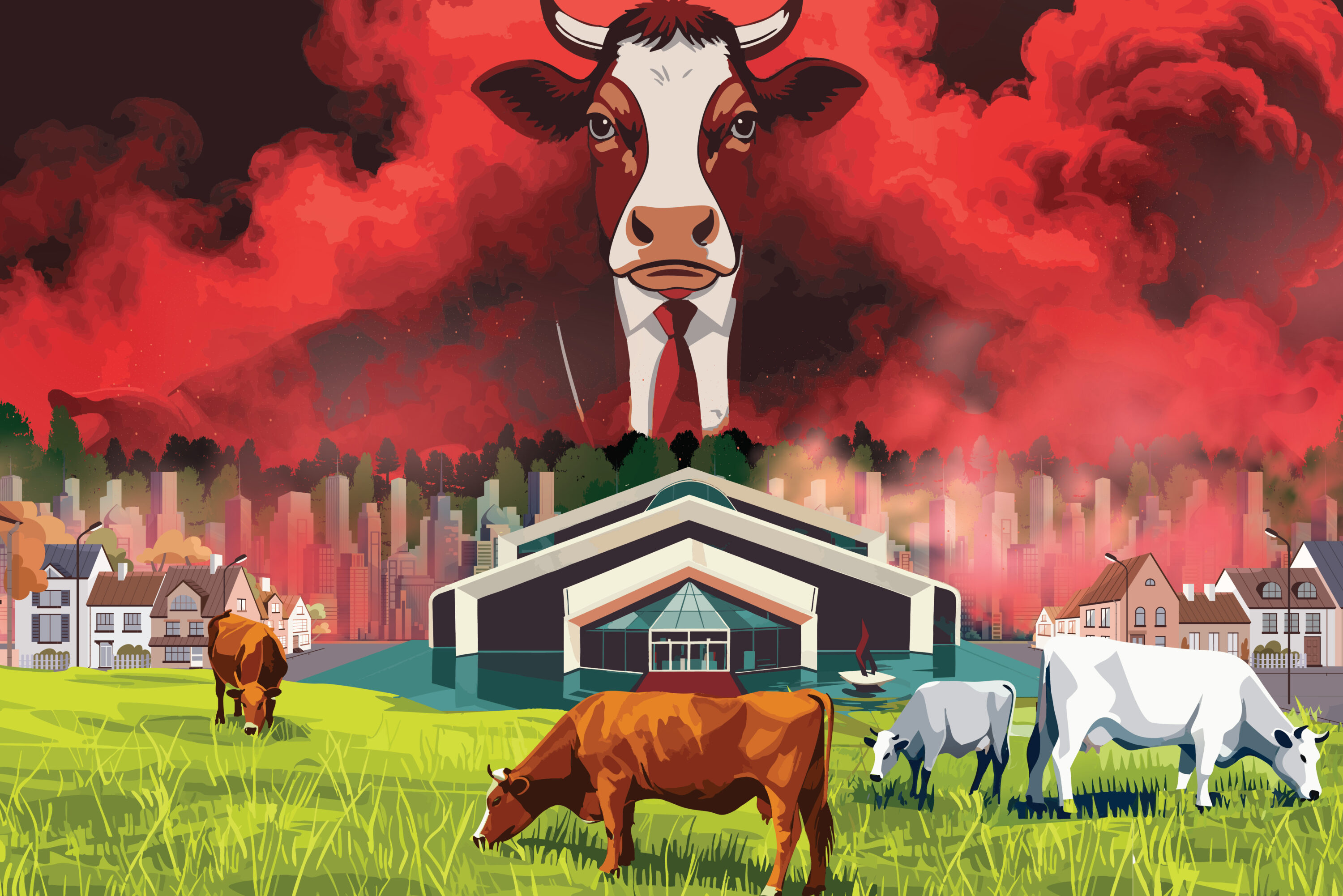
The Meat Agenda: Agricultural Exceptionalism and Greenwash in Brazil
As Brazil prepares to host the 30th conference of the parties of UNFCCC (COP30) in heart of the Amazon, the country is positioning itself as a global climate leader with ambitious emissions reduction targets of 59-67% by 2035. Under President Lula, there have been laudable achievements: deforestation fell to the lowest rate in nearly a decade in 2024, significant progress after the acceleration under President Bolsonaro, and the government has made meaningful advances in hunger reduction.
Methane Unmasked
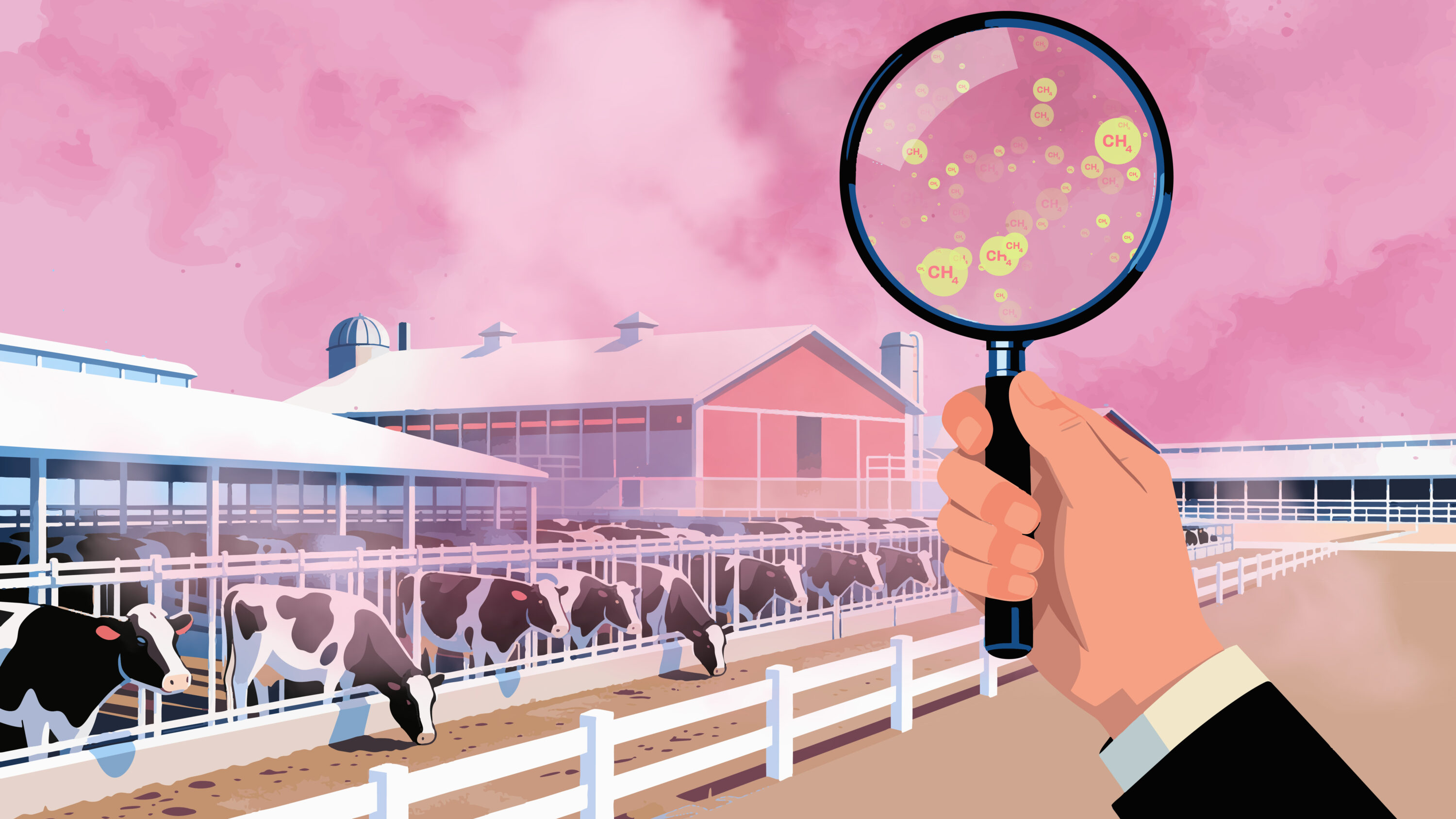
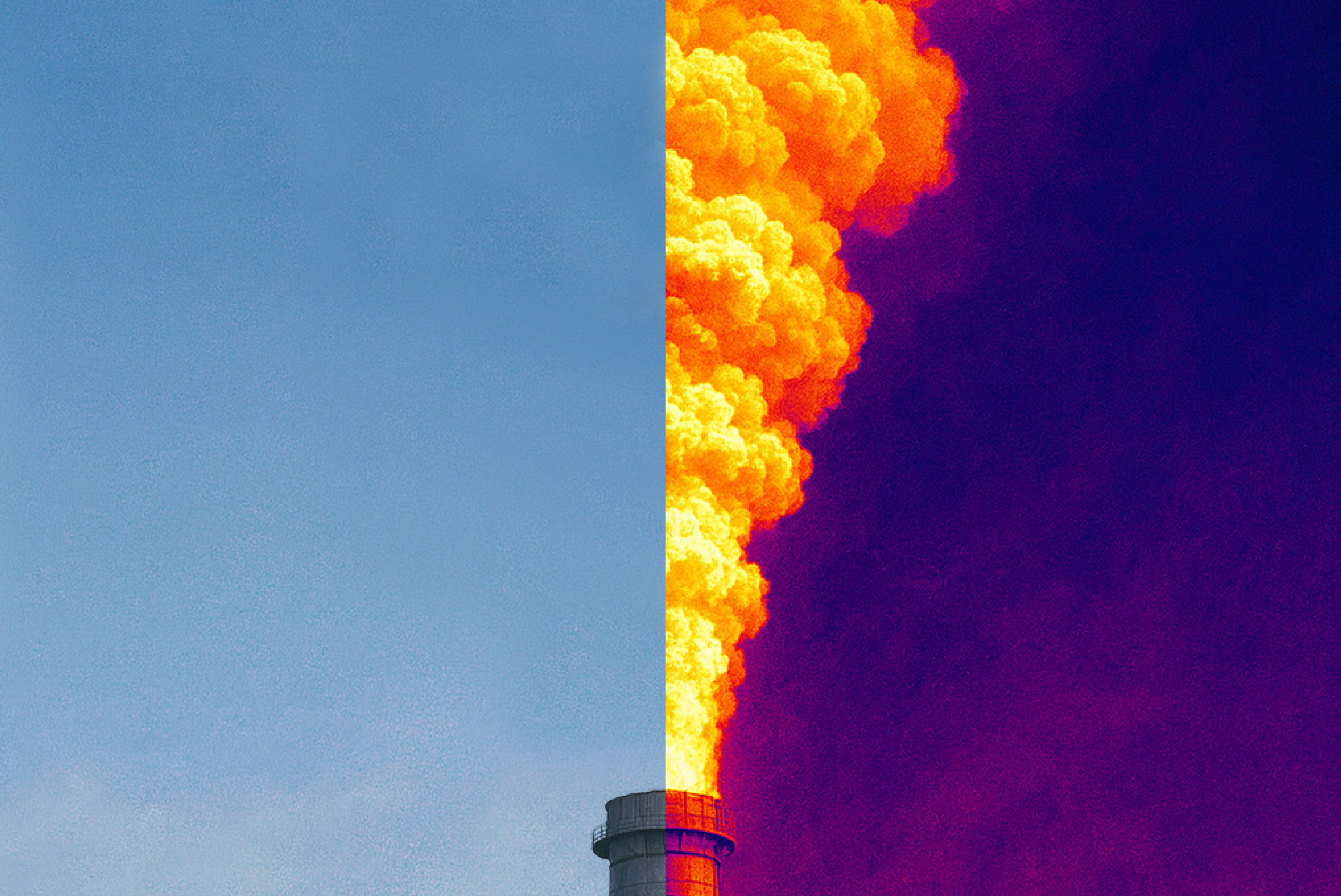
To investigate and visualise the issue of leakages further, Changing Markets Foundation and Deutsche Umwelthilfe (DUH) inspected two biogas plants in Denmark, which both have connections to the country’s biggest dairy cooperative, Arla. Working with a thermo-imaging expert, the team used industry-standard inspection instruments.
Our findings reinforce existing evidence of the systemic risks posed by methane leakages in biogas production. By providing visual documentation, we were able to reveal what is typically hidden and enhance understanding of the potential significant climate impact of methane emissions from agriculture.
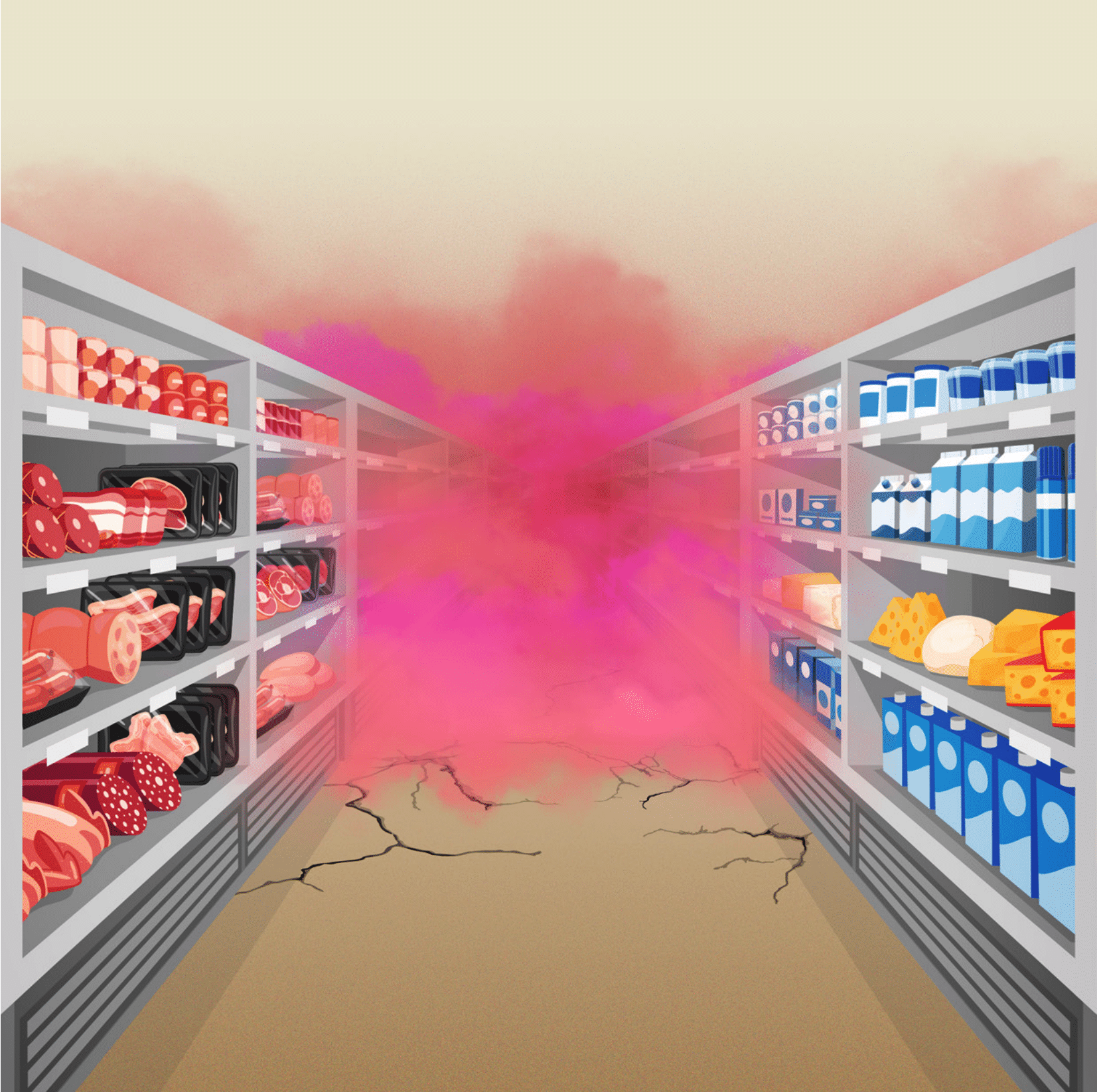
“Clean Up on Aisle 3”: The methane mess supermarkets are hiding
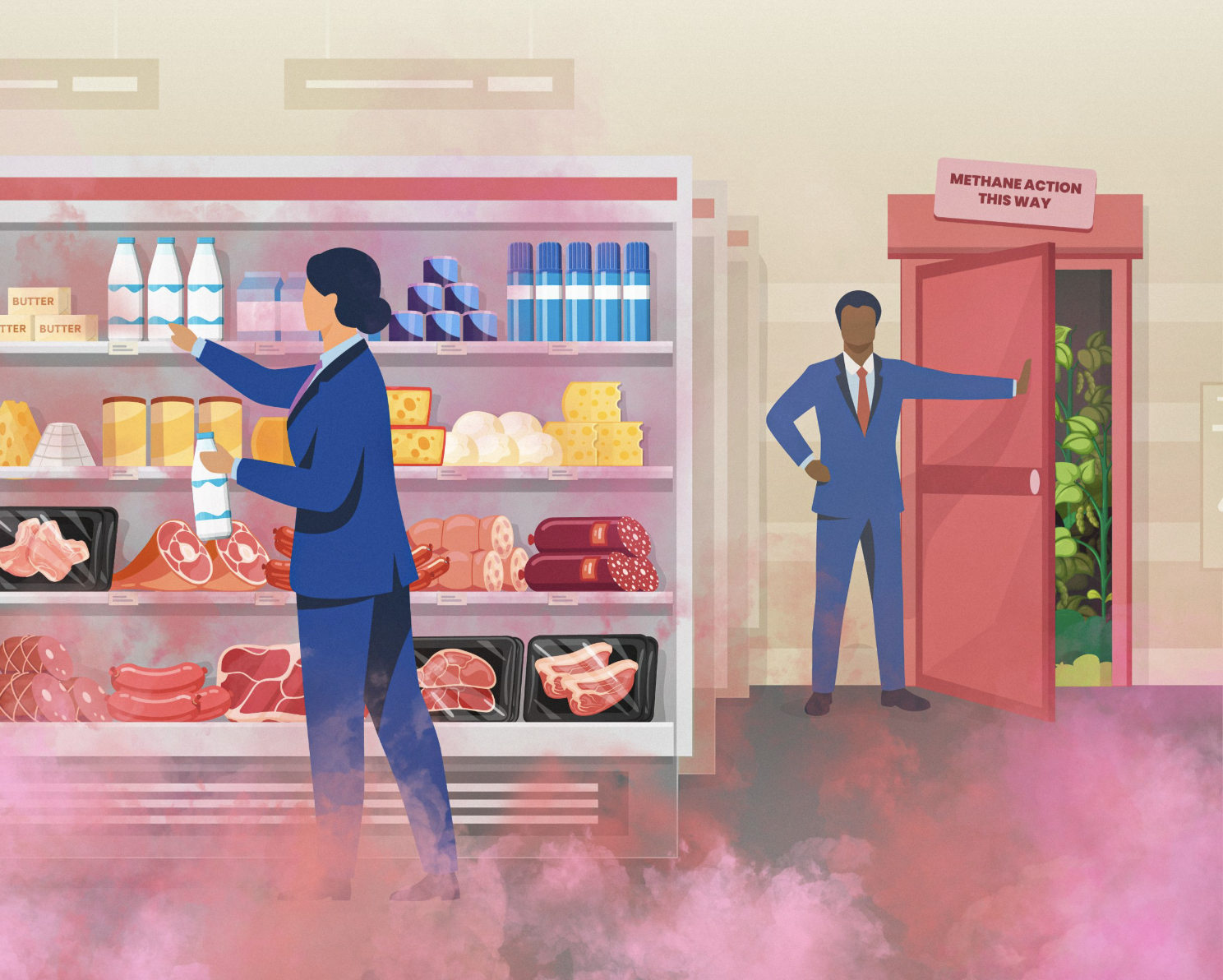
New analysis finds twenty of the world’s biggest food retailers fail to get to grips with massive methane emissions in their supply chains, despite meat and dairy making up an estimated one third of their total emissions. In an assessment of their methane reductions across 18 indicators, 19 of the top 20 major food retailers analysed secured less than half of the total points available. Only Tesco scraped past the halfway mark with a ‘top’ score of 51/100.
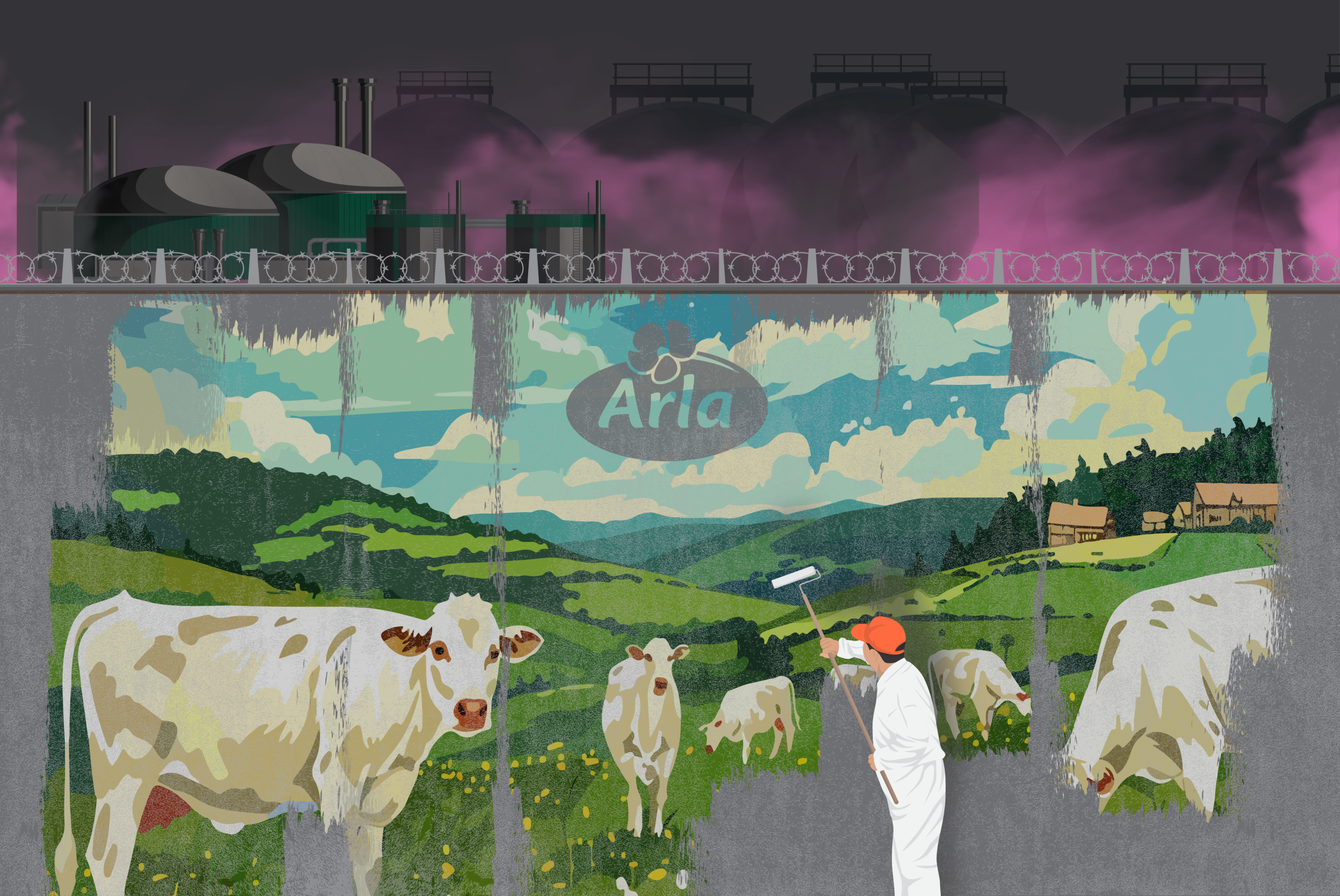
Dairytales: Arla’s smokescreen for its lack of climate action
As the world’s fifth largest dairy producer, Arla has been selling a dairy fairytale of sustainability to continue to escape climate sanctions while prioritising false solutions that further industrialisation. However, the green mirage has begun to crack; while Arla celebrates its own sustainability efforts, the company’s climate work has been criticised for everything from lacking ambition and transparency to being pure greenwashing.