Hello
The Meat Agenda: Agricultural Exceptionalism and Greenwash in Brazil
As Brazil prepares to host the 30th conference of the parties of UNFCCC (COP30) in heart of the Amazon, the country is positioning itself as a global climate leader with ambitious emissions reduction targets of 59-67% by 2035. Under President Lula, there have been laudable achievements: deforestation fell to the lowest rate in nearly a decade in 2024, significant progress after the acceleration under President Bolsonaro, and the government has made meaningful advances in hunger reduction.
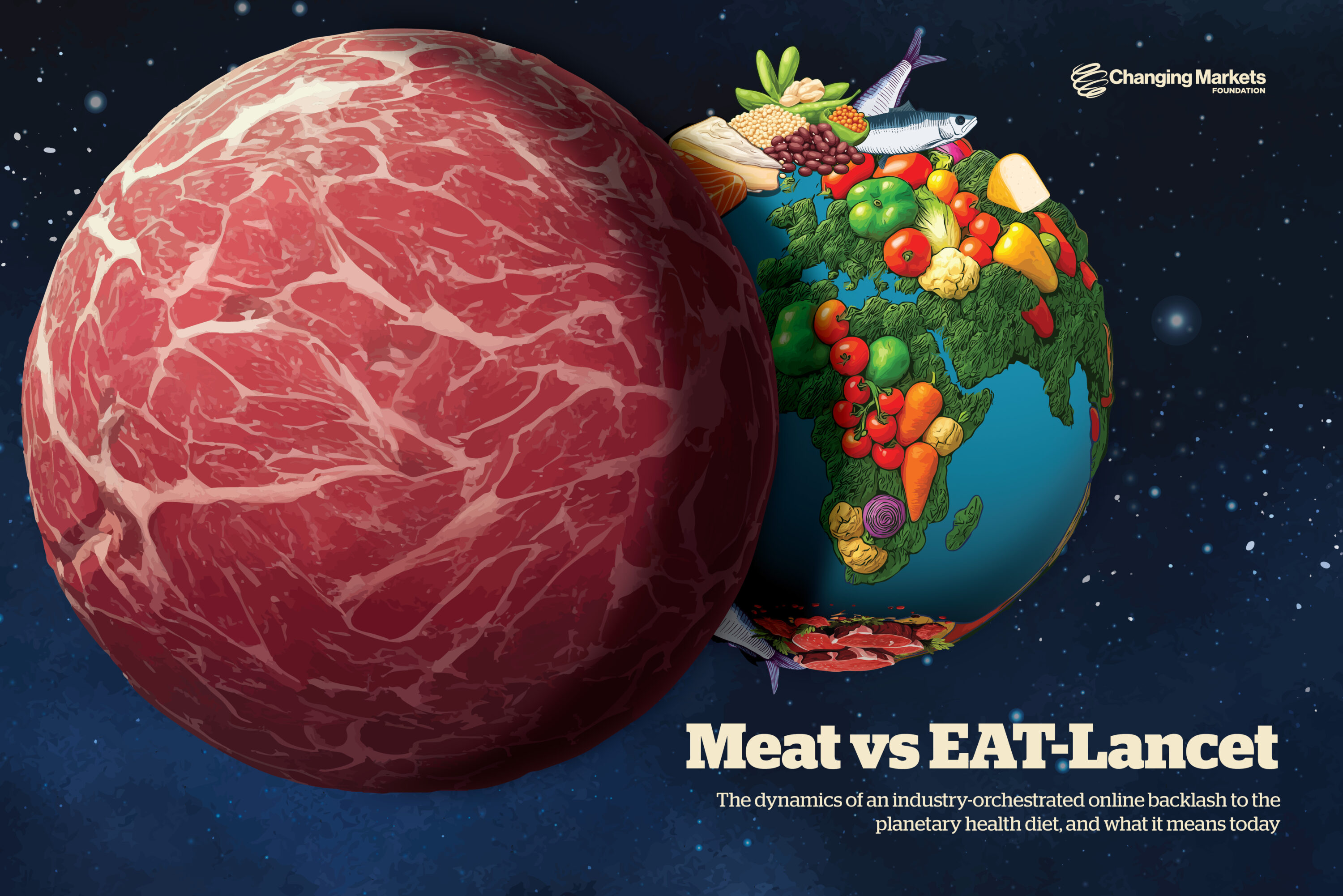
Meat vs EAT-Lancet: The dynamics of an industry-orchestrated online backlash
In October 2025, the EAT-Lancet Commission will publish EAT-Lancet 2.0 an update to the planetary health diet first released in 2019. While the first report is one of the most influential academic studies ever released, it also faced significant online backlash – much of which was orchestrated by the meat industry. This report provides the first in-depth mapping of the connections between some of the industry-friendly scientists, doctors, health influencers, journalists and authors behind the initial backlash. We explore how narratives have evolved, and how industry is mobilising a communications drive ahead of EAT-Lancet 2.0 due for release in October 2025.
Methane Unmasked
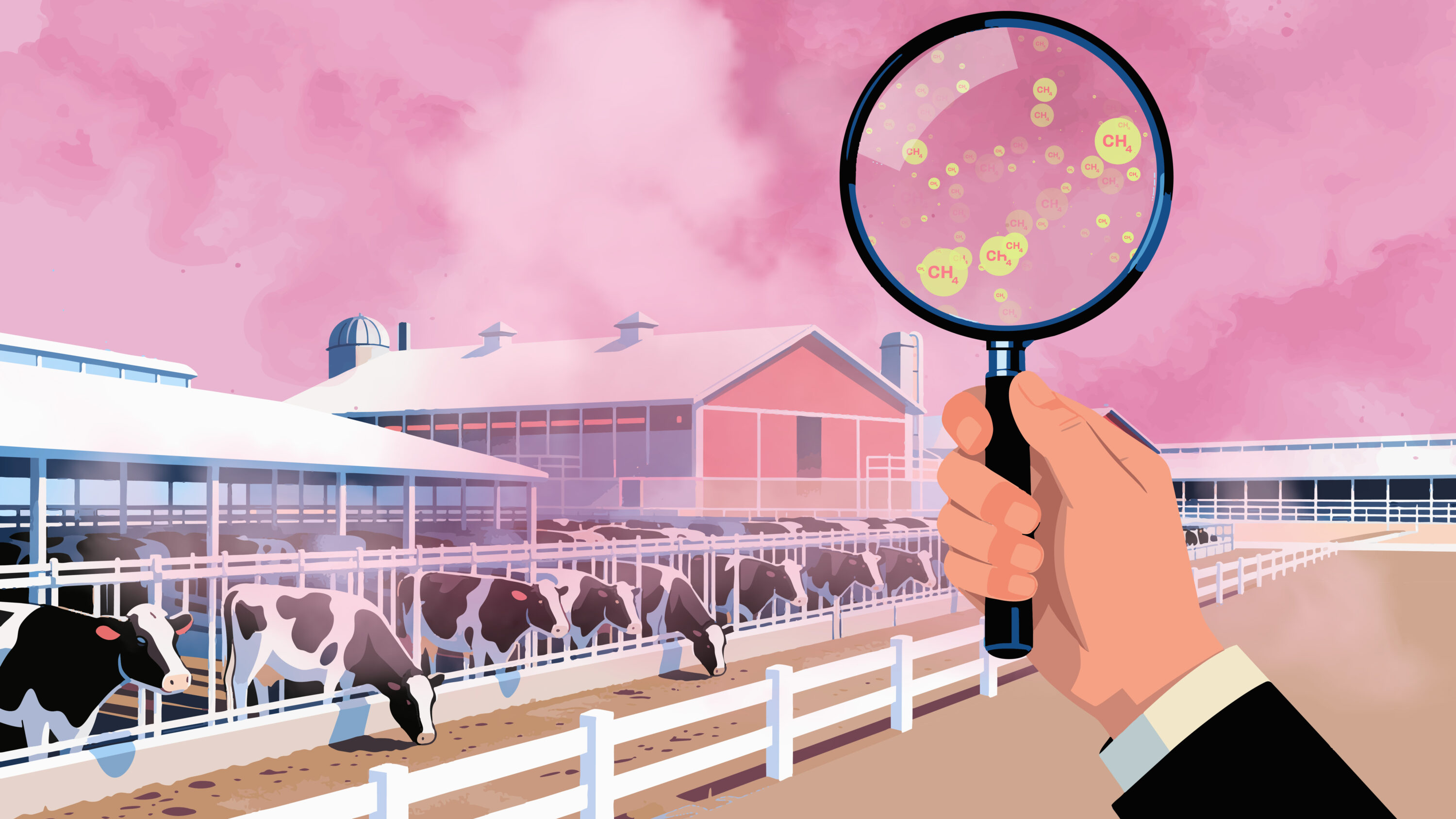
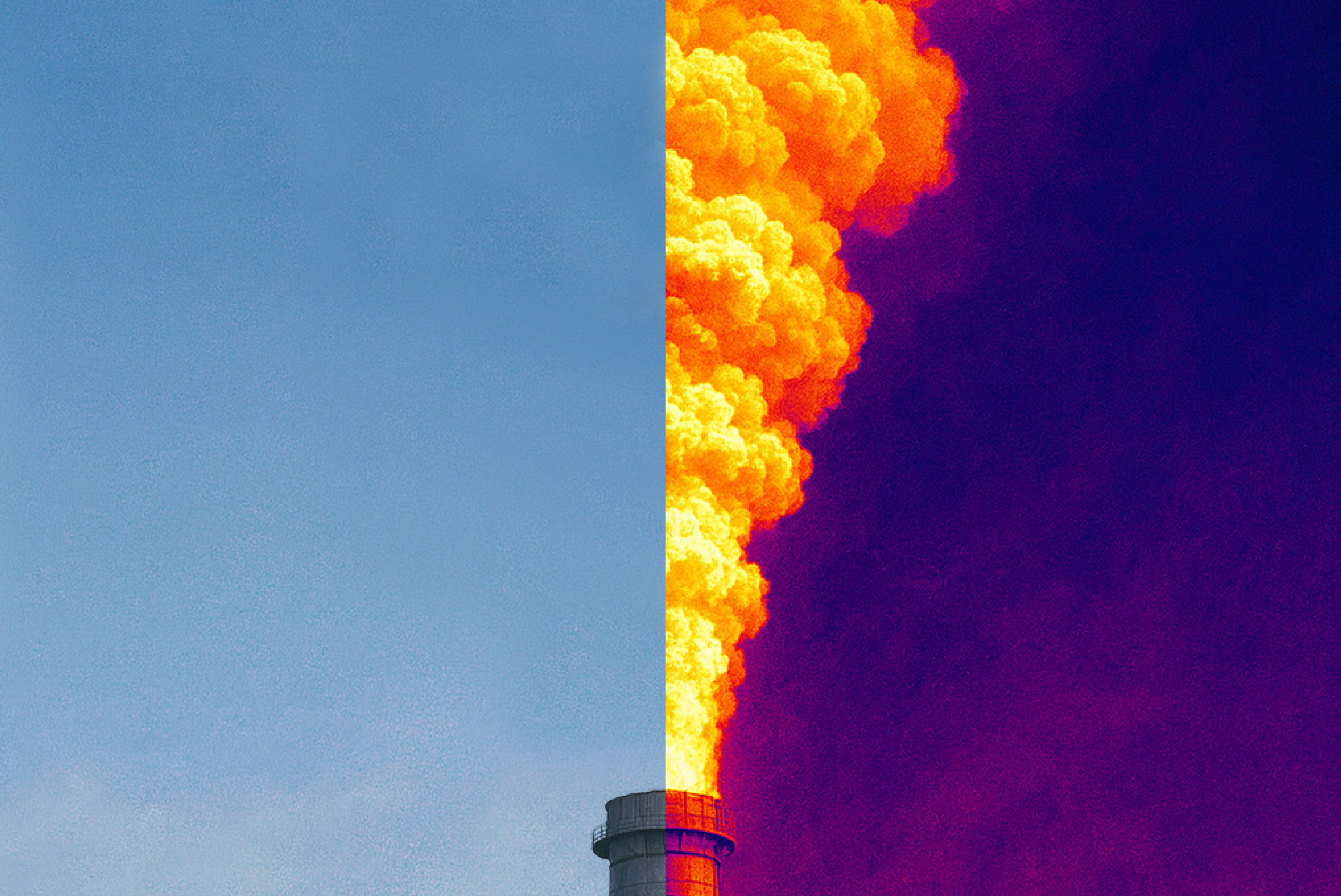
To investigate and visualise the issue of leakages further, Changing Markets Foundation and Deutsche Umwelthilfe (DUH) inspected two biogas plants in Denmark, which both have connections to the country’s biggest dairy cooperative, Arla. Working with a thermo-imaging expert, the team used industry-standard inspection instruments.
Our findings reinforce existing evidence of the systemic risks posed by methane leakages in biogas production. By providing visual documentation, we were able to reveal what is typically hidden and enhance understanding of the potential significant climate impact of methane emissions from agriculture.
Running Latte: Slow Progress on Methane in the Dairy and Coffee Industry
An assessment of 20 of the world’s largest dairy and coffee companies, with combined revenues of over $420 billion, finds that most lack methane targets, credible action plans, or basic transparency around their methane emissions.
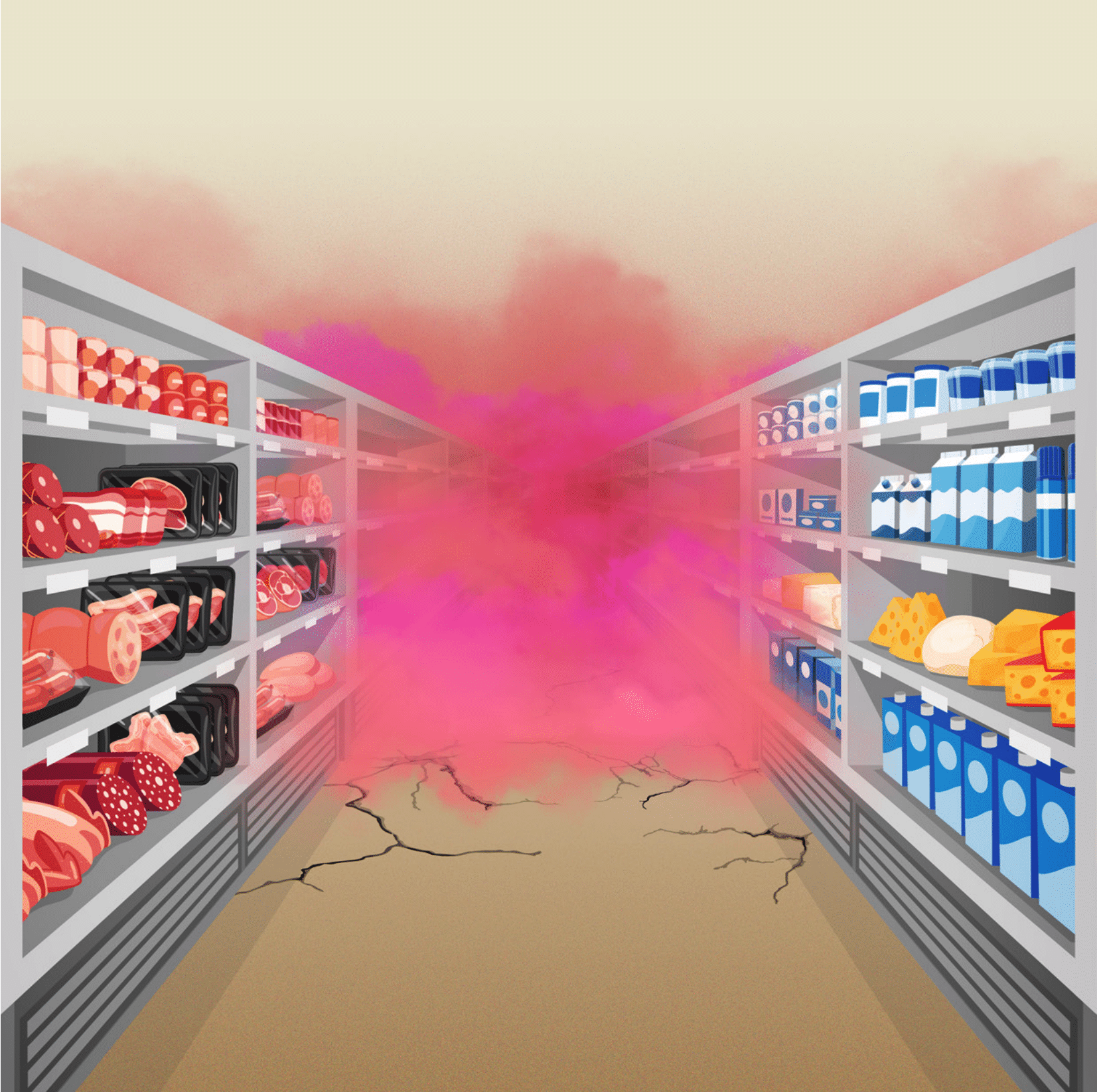
“Clean Up on Aisle 3”: The methane mess supermarkets are hiding
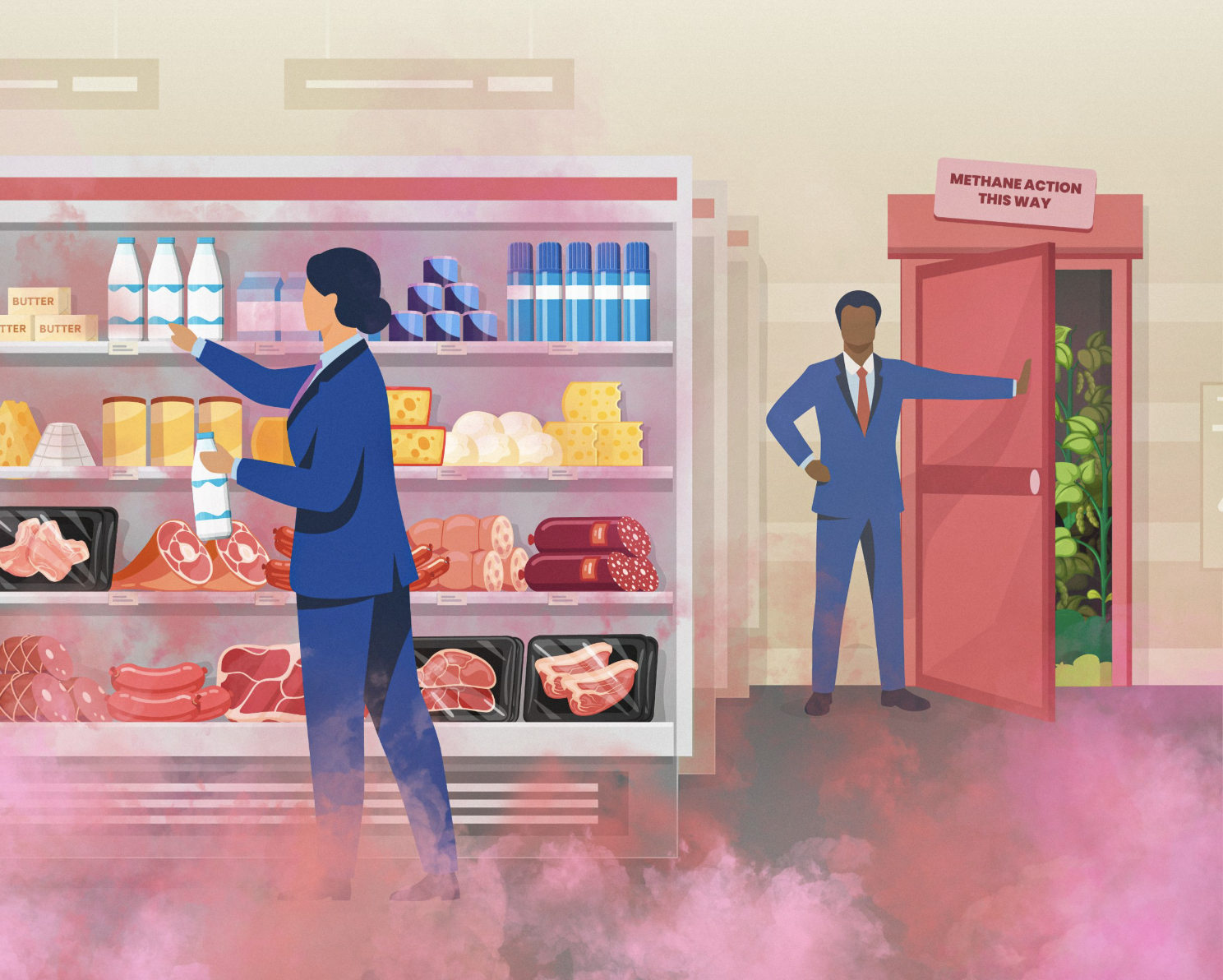
New analysis finds twenty of the world’s biggest food retailers fail to get to grips with massive methane emissions in their supply chains, despite meat and dairy making up an estimated one third of their total emissions. In an assessment of their methane reductions across 18 indicators, 19 of the top 20 major food retailers analysed secured less than half of the total points available. Only Tesco scraped past the halfway mark with a ‘top’ score of 51/100.
Dairytales: Arla’s smokescreen for its lack of climate action
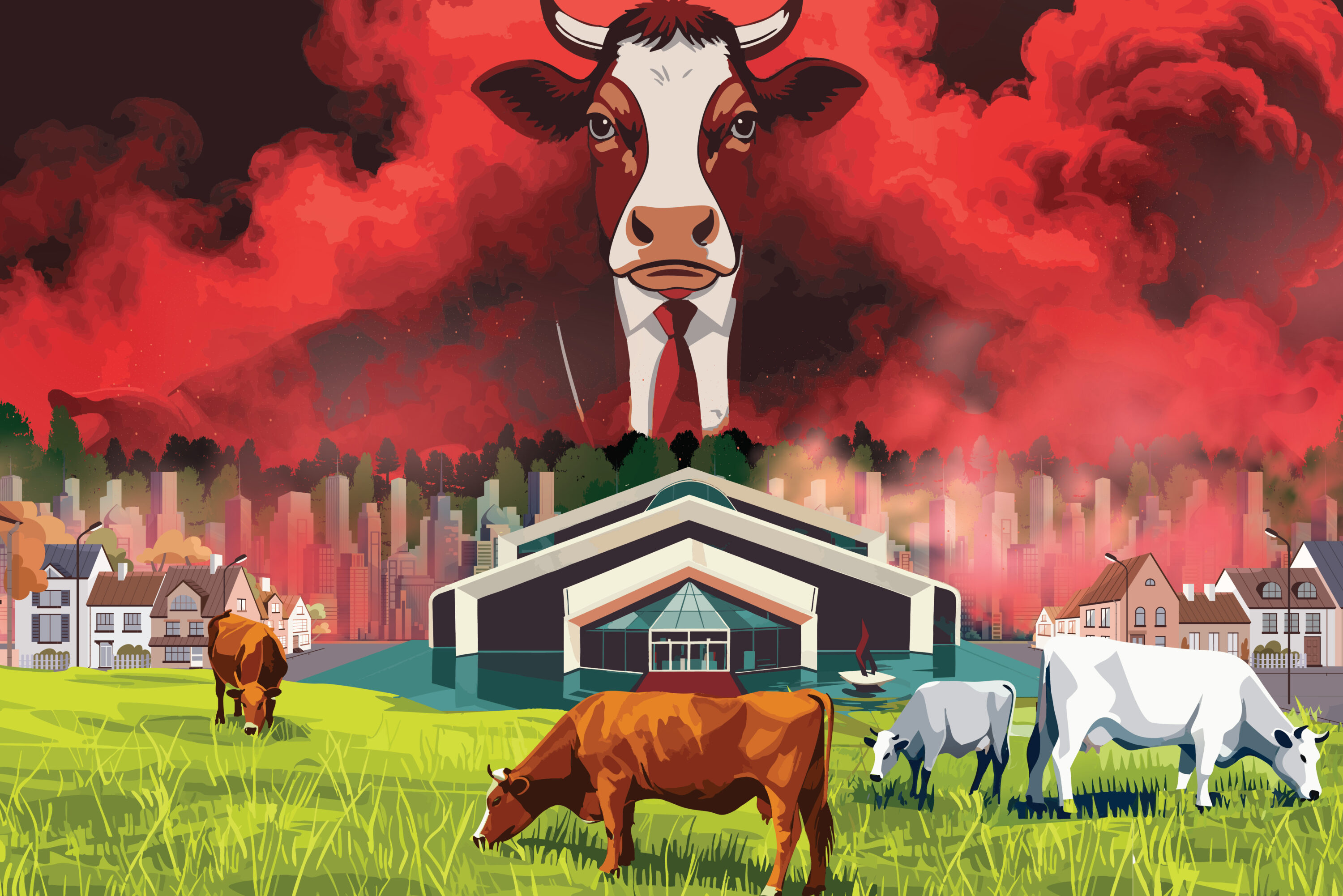
As the world’s fifth largest dairy producer, Arla has been selling a dairy fairytale of sustainability to continue to escape climate sanctions while prioritising false solutions that further industrialisation. However, the green mirage has begun to crack; while Arla celebrates its own sustainability efforts, the company’s climate work has been criticised for everything from lacking ambition and transparency to being pure greenwashing.
Big Meat and Dairy’s Narratives To Derail Climate Action
Big Meat and Dairy companies are deploying ‘narratives’ in advertising, PR campaigns, and lobbying that paint the industry as greener than it really is and frame the stakes as too high to change. Like many planet- and people-harming industries, an array of tactics to protect their businesses in the face of growing scrutiny over their climate impact.