Big Agriculture at the centre of power
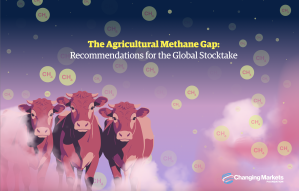
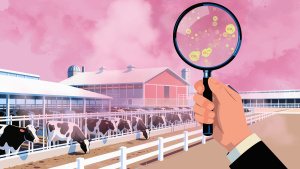
The corporate influence seen at COP30 reflects a broader pattern of agribusiness greenwashing. Ahead of the summit, we launched a report, The Meat Agenda: Agricultural Exceptionalism & Greenwash in Brazil, which unpacks how Big Agribusiness seeks to control the country’s climate agenda – tactics that are mirrored globally.
In Brazil, industry dominates congress and shapes policy outcomes. The report identifies the sector’s greenwashing tactics, from corporate conferences and backdoor lobbying to sponsored media coverage, influencer investment and efforts to shape academic outputs.
It also highlights that, despite Brazil’s updated nationally determined contribution (NDC) committing to a 59%-67% reduction in GHG emissions by 2035 (compared to 2005 levels), the plan makes no reference to measures for reducing agricultural methane.
This neglect risks both climate goals and the industry’s future as agriculture is severely impacted by erratically changing climatic conditions. Currently, 28% of Brazil’s farmland is outside optimal climate conditions – a figure that could reach 74% by 2060 as heat and drought worsen.
Globally, while most NDCs now mention food systems, only 16% include sustainable, healthy diets, and just 4% set quantified, time-bound agricultural methane targets. This is a massive, missed opportunity.
The path forward is clear
In a welcome move, Marfrig became the world’s first meat company to disclose its Scope 3 methane emissions and set a 33% reduction target for 2035, showing it is possible for meat companies to set transparent reporting and methane reduction goals. However, the company seeks to rely on technical fixes – a technical shortcut that addresses the symptoms rather than the root causes of livestock-related emissions – rather than science-backed strategies, such as livestock reduction.
Throughout COP30, flagrant industry exceptionalism contrasted with an active grassroots movement, as Indigenous leaders and small farmers showcased food systems that support healthy ecosystems and resilient communities. This spirit was reflected in our events, co-hosted with partners which exposed greenwash and outlined pathways to meet the Global Methane Pledge.
To scale these efforts, nations must tackle corporate interests and prioritise accountability. We must confront the systemic changes required in food systems and reduce the overconsumption of animal products
While COP30 is behind us, its teachings are not. Although many world leaders have failed to deliver, civil society and forward-looking governments forging new pathways demonstrate that progress is possible. The challenge now is for policymakers and industry to close the gap between rhetoric and delivery. That means regulating agricultural methane, addressing livestock-driven land use, and ensuring climate strategy is driven by science, not vested interests.