April 2025 Newsletter – Supermarkets in the methane hot seat
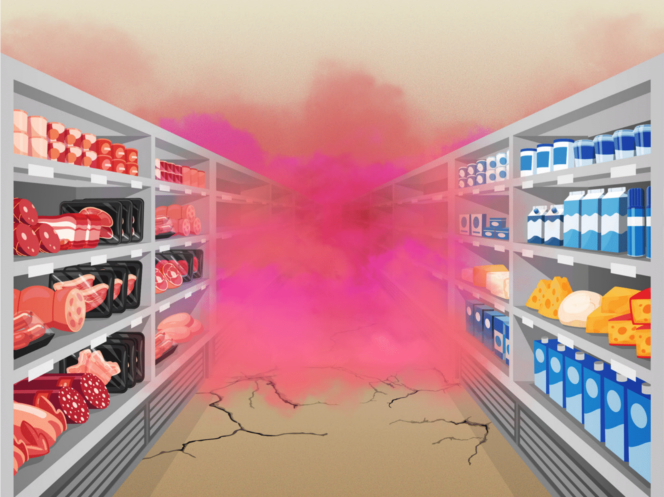
“Clean Up on Aisle 3”: The methane mess supermarkets are hiding
Last month we released a new report putting supermarkets in the methane hot seat: “Clean up on Aisle 3”: The methane mess supermarkets are hiding.
Along with Mighty Earth, we assessed 20 of the largest global supermarkets using a range of indicators to assess their efforts in addressing methane emissions linked to meat and dairy production. With the exception of Tesco with 51%, all of them secured less than 50% of the total points available.
It is estimated that Scope 3 emissions — the emissions generated along their supply chains — make up over 90% of European retailers’ emissions profiles, with meat and dairy driving almost half of those. Despite this, not a single supermarket, even those who position themselves as environmental leaders like Tesco and Lidl, report on their methane emissions or have set methane emissions reduction targets.
Supermarkets play a critical role in the meat and dairy sector. Not only do they have a big impact on consumer choices through pricing and availability, they also engage with a number of suppliers and producers so their policies can influence practices across entire supply chains.
Reducing methane is the emergency lever we need to slow the rate of global heating, which is why we’re calling on supermarkets to:
- Clearly report their methane emissions
- Set methane reduction targets of at least 30% by 2030
- Commit to a 60/40 plant versus animal protein split in their sales
The greenwash corner
A new era of accountability for UK companies
Big news from the UK: The Competition and Markets Authority (CMA) has been granted powerful new enforcement tools under the Digital Markets, Competition and Consumers Act 2024 — and companies making misleading environmental claims should take note (and fast!).
For the first time, the CMA can directly impose fines on businesses for false or exaggerated green claims, without needing to go through lengthy court processes. These penalties can be significant — up to 10% of a company’s global annual turnover. To put that in perspective, fines could reach:
At Greenwash.com, we’ve been tracking these companies for years. The evidence is clear: from supermarkets claiming to be “carbon neutral” without addressing methane emissions, to fashion brands carelessly using terms like “eco-friendly” while continuing to push synthetic fast fashion — greenwashing has been rampant across all sectors.
The CMA has now issued guidance urging businesses to ensure their environmental claims are truthful, evidence-based and up to date — or face the consequences.
This is a welcome step towards greater accountability. The real test will be in enforcement. As always, we’ll be watching closely.
How the EU can ‘Cut the Gas’ and take action on agricultural methane
Last week, we hosted an event about agricultural methane emissions in the EU with our Methane Matters Coalition partners EEB and DUH. We were able to emphasise the need for urgent action on methane and called on the EU Commission to propose methane legislation in the agriculture sector.
Along with WeMove EU, Changing Markets invited agro-ecological farmers from Ireland, Romania and Italy who raised concerns about the role of industrial agriculture in the food system and the need to prioritise small, agroecological farming groups to tackle methane emissions and wider environmental damage from industrial farming practices.
In the media
- The Grocer: Supermarkets “ignoring” meat and dairy methane emissions
- Sustainable Views (Financial Times): UK companies face hefty fines for greenwashing
What’s inspiring us: Must-Reads, watches, and listens
- BBC Radio Programme, Rethink: Liberalism
- Podcast, 100 Campaigns that Changed the World: Live: Truth and Truth, Campaigning in the Disinformation Age
- Podcast, Feminist Food Journal: TikTok Masculinity and the Tradwife
- Podcast, Tortoise Media: Who Trolled Amber? — for insights into the growing global disinformation industry
- The Guardian: PR campaign may have fuelled food study backlash, leaked document shows — builds the evidence for industry coordination behind the tactics revealed in our report Truth, Lies and Culture Wars
You might also like...
Tracking Methane Action in the Dairy, Coffee and Retail Sectors: October 2026 insights
The fourth edition of our methane rankings for major food company finds signs of momentum from dairy companies, progress from just one coffee company and continued leadership vacuum from retailers.
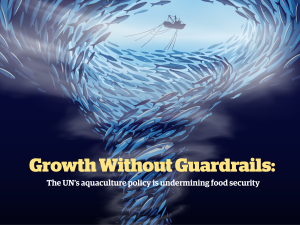
Growth without Guardrails: The UN’s aquaculture policy is undermining food security
This investigation reveals that the FAO's target to grow aquaculture by 75% by 2040 risks turning nearly half of the global wild fish catch industrial fish feed every year. Key food security protections aime...
Dairy and Coffee Methane Action Tracker: May 2026 insights
The third edition of our dairy and coffee methane rankings finds mixed progress among 23 major companies across Europe and North America. While eight companies now disclose their methane emissions and five h...